Domain Name Server
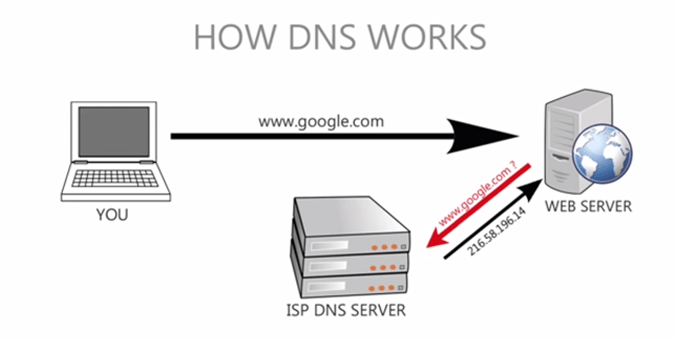
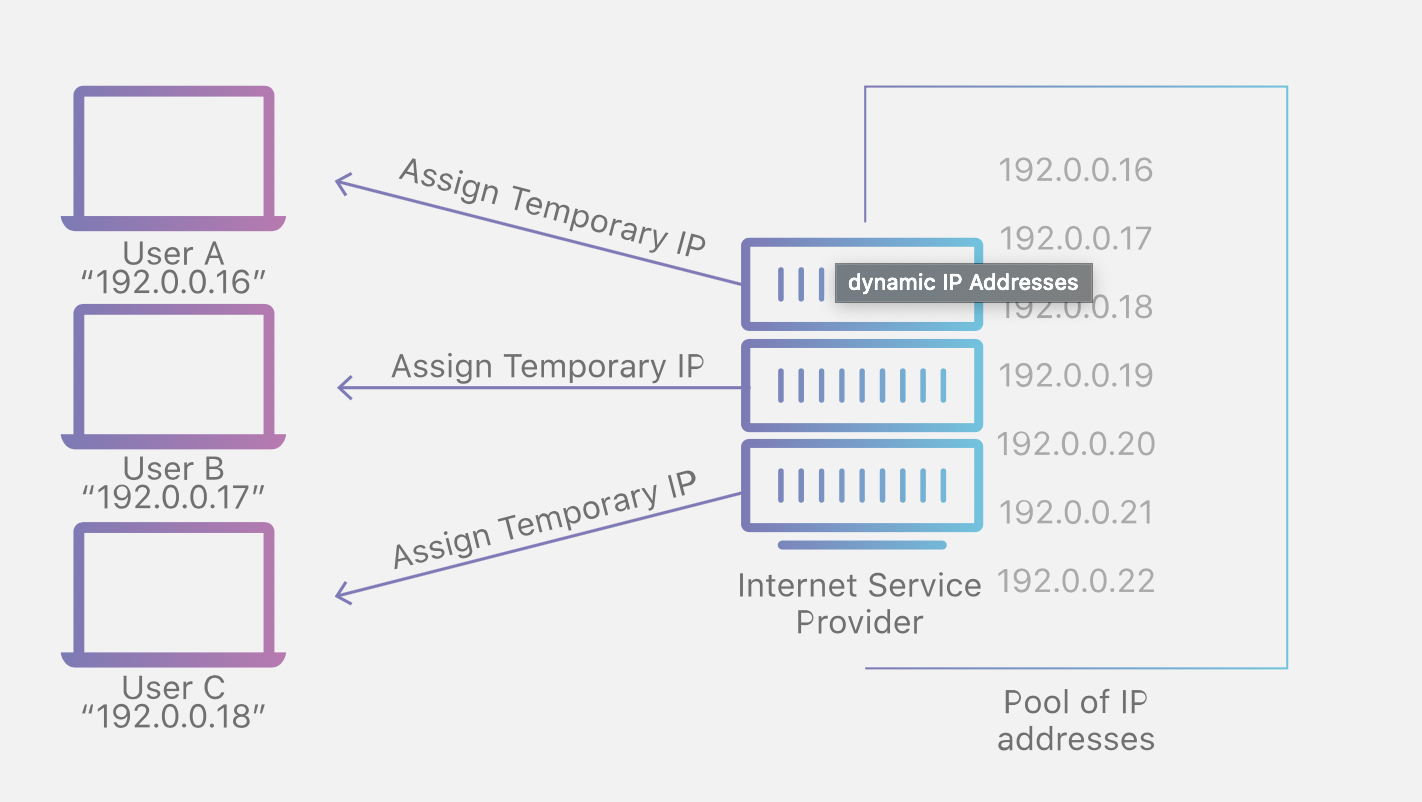
The Domain Name System (DNS) is the phonebook of the Internet. Humans access information online through domain names, like nytimes.com or espn.com. Web browsers interact through Internet Protocol (IP) addresses. DNS translates domain names to IP addresses so browsers can load Internet resources. Each device connected to the Internet has a unique IP address which other machines use to find the device. DNS servers eliminate the need for humans to memorize IP addresses such as 192.168.1.1 (in IPv4), or more complex newer alphanumeric IP addresses such as 2400:cb00:2048:1::c629:d7a2 (in IPv6).
The process of DNS resolution involves converting a hostname (such as www.example.com) into a computer-friendly IP address (such as 192.168.1.1). An IP address is given to each device on the Internet, and that address is necessary to find the appropriate Internet device - like a street address is used to find a particular home. When a user wants to load a webpage, a translation must occur between what a user types into their web browser (example.com) and the machine-friendly address necessary to locate the example.com webpage.
For example, the domain name www.example.com translates to the addresses 93.184.216.34 (IPv4) and 2606:2800:220:1:248:1893:25c8:1946 (IPv6). The DNS can be quickly and transparently updated, allowing a service's location on the network to change without affecting the end users, who continue to use the same hostname. Users take advantage of this when they use meaningful Uniform Resource Locators (URLs) and e-mail addresses without having to know how the computer actually locates the services.