The True Story of the Internet- Browser Wars
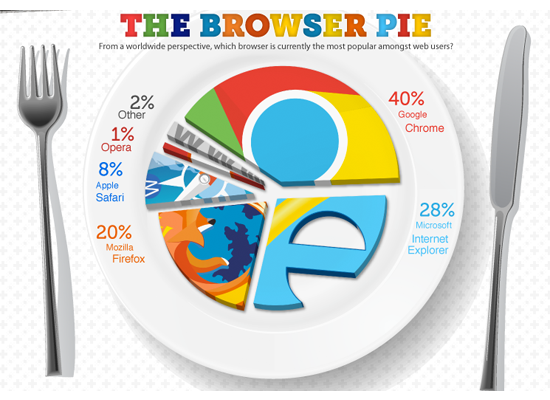


“Browser Wars” kicked off in the mid-90s, at a time when the world was just starting to come online. The web was still a fuzzy, undefined medium. Those who did decide to visit the web for the first time found themselves standing at the precipice of a technological arms race between two behemoth browsers.
University Illinois computer science student, Marc Andreessen crazy idea to imagine a future where everyone including regular people like you and me would use the web as part of our daily lives. By the fall of 1993, other leaks posted Mosaic online and it made a freely downloadable gift to humanity.
Andreessen was contacted by Jim Clark, a bit of a legend in the Silicon Valley area. Clark and Andreessen met a few times and decided that a top of the line commercial browser was exactly what the market needed.
In the months leading up to the release of Netscape Navigator in December of 1994, the team began beta testing their browser by giving downloads on their website. It helped them discover bugs quickly and embraced the openness that kind of went side by side with the World Wide Web. After the browser’s official release, Netscape more or less kept this practice up, making “evaluation” versions of their browser free to download.
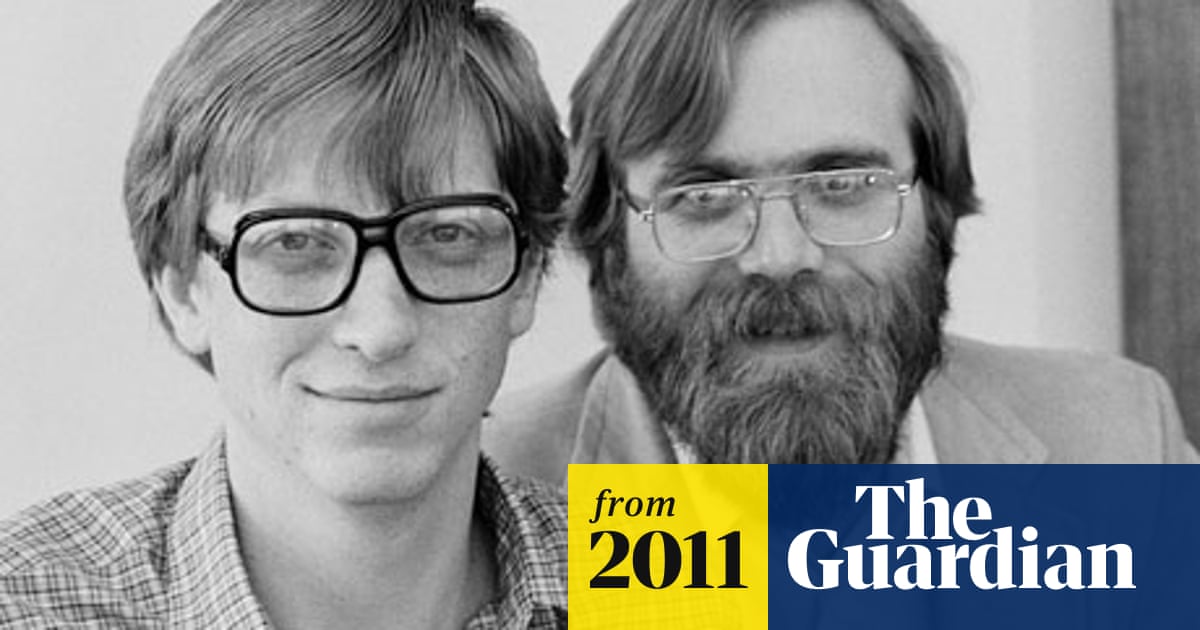
Bill Gates was the co-founder and CEO of Microsoft; it was one of the most profitable high-tech company. He was young and very ambitious. His aim was to rule the internet world with his internet browser.
Netscape had only been a company for a year, and they went public. For a company of Netscape’s size, their IPO went incredibly well. It exceeded all expectations, and stocks soared throughout the first day. Clark, for his part, made over $600 million that day.
A few months before the IPO, Microsoft engineers paid a visit to Netscape offices. According to Microsoft, their intention was to get a lay of the land as they planned the future of Microsoft and the web.
Marc Andreessen began talking up Netscape not just as a browser, but as a new, cross-platform operating system. He went as far as saying that in the future, Netscape would reduce Microsoft to a set of “poorly debugged device drivers.”
According to Andresen’s notes, Microsoft came to them with an ultimatum. Join up or move out of the way. Microsoft offered Netscape a meager sum for their browsers code base. When the team refused, employees from Microsoft threatened to eliminate them from the market by any means necessary.
Netscape had begun to consult an anti-trust lawyer to prepare against a possible assault. So it’s possible that Netscape employees framed the meeting to give more credence to their legal battles. But it’s also clear that Microsoft was more hostile in the meeting then they let on.
As Netscape’s success grew, Microsoft got their own browser ready. It was called Internet Explorer. And version 1 was released fifteen days after Netscape’s IPO. The browser team at Microsoft was still very small, so the code itself was licensed from Spyglass Mosaic, a fork of the code Andreessen himself had worked on.
December 7, 1995. Hot off the heels of version 2 of Internet Explorer, same day as In world war 2 , it was It’s the anniversary of the Pearl Harbor attacks.
For the next few years, Netscape and Microsoft waged war, It was not uncommon to see a new minor release of each browser every month.
Netscape began to focus on accompanying features like they added suite of tools to their browser, bundled together into Netscape Communicator. Communicator included tools for email, IRC and news. For many, this meant the convenience of having everything in one place.
Microsoft took a slightly different route, they leveraged their position in the personal computing marketplace. Internet Explorer improved and caught up to Netscape, Microsoft started pushing their distribution channels. They gave away the browser for free to PC manufacturers and Internet Service Providers to bundle into their hardware. They lowered the price of their browser for Microsoft Windows users. And they paid large web portals like AOL to push users toward IE.
With the release of Internet Explorer 3.0, Microsoft dropped the hammer. They included this version, for free, bundled right into the Windows ’95 operating system.
All at once, Netscape’s pricing model completely fell apart.
On the morning of October 1, 1997, Netscape engineers came to their offices to kind of a strange sight. The night before, Microsoft employees had been celebrating the release of IE 4. A few of them hoisted a giant Internet Explorer logo model onto the back of a truck, brought it to Netscape and dumped it in their corporate office’s fountain.
In January of 1998, they open sourced their browser, and began giving it away for free. But even that wasn’t enough. By the end of 1998, Microsoft had claimed 50% of the market. By 1999, that had risen to almost 80%.
In November of 1998, Netscape was sold to AOL for $4.2 billion. It was the end of an era, and, as it turns out, the beginning of the end. Netscape continued to release new versions of their browser for years to come. But as their priorities shifted towards enterprise software, the browser suffered. Eventually, Microsoft wrestled almost complete control over the market.
There were charges brought against Microsoft by the United States Government. In the summer of 1998, Microsoft went on trial for violating antitrust laws and a consent decree from a few years previous.
In 2000, the presiding Judge issued his findings of fact, found that Microsoft was abusing a monopoly position, and that it should be broken up into two companies. This was eventually overturned by an appeals court, but it was enough to rattle Bill Gates for years to come, and leave Microsoft reeling from the process.
By the early 2000’s, the Browser Wars ended, and a period of stagnation followed. But just on the horizon, a few open source browsers waited in the wings, ready to offer another bout of competition.