The True Story of the Internet- People
The arrival of the internet opened new doors of personal communication. E-mails replaced postal mails and social media took the place of text messages. At this moment communication is changing drastically, In the old days the way our culture talked to ourselves, all the stuff we read and watched and listened to was now controlled by the bigwigs who ran newspapers and TV networks. The movie bosses and music moguls like big shots decided not just what information you could have but when and where you could have it and how much you have to pay for it.
In 1990s remember, how it used to be tedious process to laying our hands on a new piece of music. You'd have to leave the house, go look for a record store and poke around in the bins find the music you're looking for and then come all the way back home again. After few years, CD’s came into existence which made life little easier but the technology which changed the way of listening music is MP3. MP3 provided a way of compressing the data in a much smaller digital packet and therefore making it easy to move back and forth around the net. This technology gave Frankel an idea to create downloadable media players like Auden and Winamp applications that allow users to store and play music in the form of MP3 on their computers.
Further, Napster allowed its users to let their PC's talk and share stuff with the computers of other users. This meant that as long as someone somewhere had an MP3 of the song you wanted, all you had to do is fire up Napster, type in the name of the song and it would be downloaded onto your hard drive straight from theirs. But unfortunately, Napster had to be shut down immediately because of the music copyright. It encouraged Steve Jobs and Apple to create the iTunes music store where songs were sold for $0.99 a piece with strict copy protection which created huge profit for Apple.
Napster the way it's put fantastic power in the hands of individuals and while this power can be turned into profit there are those whose aspirations are deeper more altruistic. The people behind sites like Craigslist and Wikipedia who can't be bought as the traditional media have emerged. Wikipedia, which is a multilingual online encyclopedia, created and maintained as an open collaboration project by a community of volunteer editors using a wiki-based editing system. Craigslist one of the world's most popular websites which acts as a kind of online noticeboard in 450 cities worldwide complete with all the stuff you get in the classified section of any newspaper, job stuff for sale, stuff wanted places to rent, places to buy gigs services and of course personals.
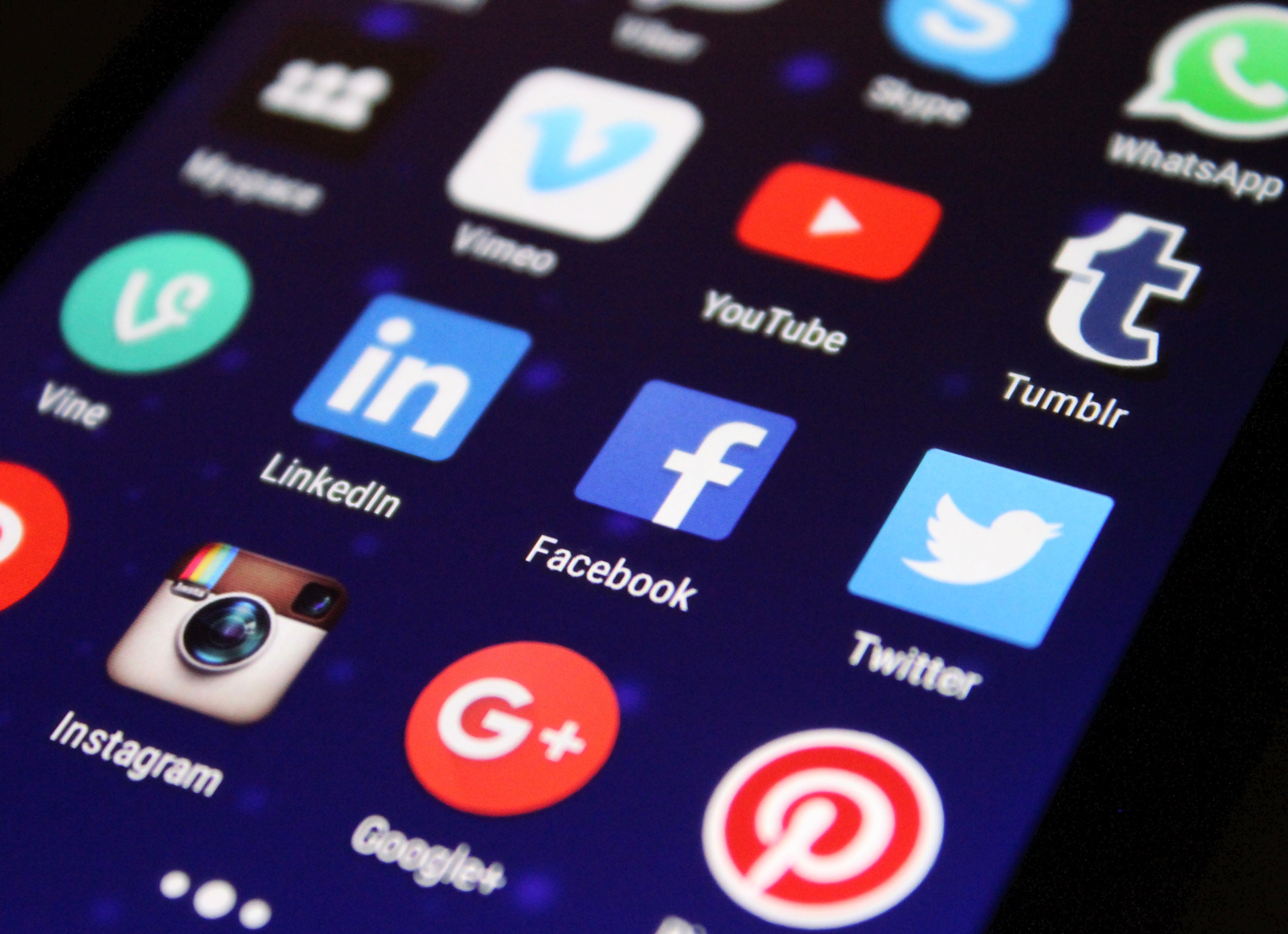
Later, companies like YouTube, Myspace and Facebook were trying to create social connections between people. YouTube service has indeed become a place where millions of people post and share a copyrighted material. This released the most significant threat that YouTube poses to big media their creativity by posting countless videos. YouTube wasn't alone with the rise of sites like Craigslist and Flickr, posting online video was just one of many ways which people became active players in an increasingly two-way web, they shared their music and videos.
When it comes to social networking, how can we not mention Facebook, the new thing is mentioned by everyone in the same breath with Netscape and Google as a startup that has the potential to fundamentally change the web. Facebook tried to map out all of these relationships that people have and create social networking between them. Facebook the reason why you spend so much time communicating with your friend’s right and other people that you respect is because their opinions and what they say actually means a lot to you. This multibillion-dollar IPO looking quite possibly like the next Google, but the truth is Facebook, YouTube, Myspace and Digg didn't come out of nowhere they are the direct descendants of another crop of media revolutionaries who hit the scene an eternity ago in high tech terms.
We all know how the web has changed the world, but this is the story of how the world is changing by the web. The leaders of a new generation of companies like You Tube, Myspace and Facebook that have begun to turn the web into a two-way participatory democratic media controlled by no one and shaped by everyone.
We don’t know how this will go further but we do know that the general direction of the changes that are coming for the web is bigger, faster, more social, more pervasive and more all-consuming. We're all enveloping whether we like it or not, the web is taken on a life of its own, its autocatalytic dominoes have started their chain reaction with many many more to fall.