W3C, HTML & CSS


W3C
The World Wide Web Consortium (W3C) is the main international standards organization for the World Wide Web founded in 1994 and currently led by Tim Berners-Lee. The organization tries to foster compatibility and agreement among industry members in the adoption of new standards defined by the W3C. Incompatible versions of HTML are offered by different vendors, causing inconsistency in how web pages are displayed. The consortium tries to get all those vendors to implement a set of core principles and components which are chosen by the consortium.
HTML
HTML can be assisted by technologies such as Cascading Style Sheets (CSS) and scripting languages such as JavaScript to make it more richer and responsive. HTML elements are the building blocks of HTML pages. HTML provides a means to create structured documents by denoting structural semantics for text such as headings, paragraphs, lists, links, quotes and other items. HTML elements are delineated by tags, written using angle brackets. Browsers do not display the HTML tags, but use them to interpret the content of the page.
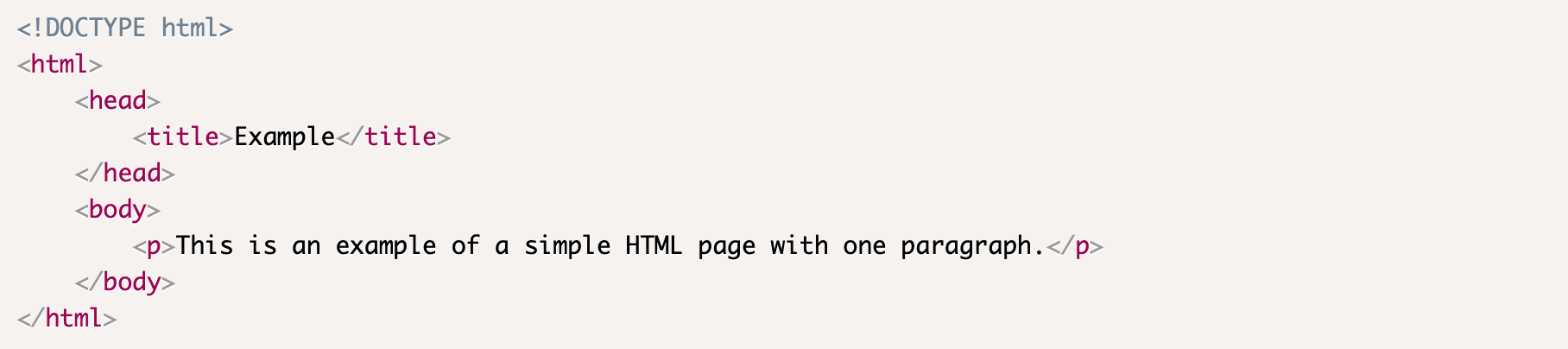
For ex: This is simple code to print text in the browser.
CSS
CSS is a cornerstone technology of the World Wide Web, alongside HTML and JavaScript. CSS is designed to enable the separation of presentation and content, including layout, colors, and fonts.[3] This separation can improve content accessibility, provide more flexibility and control in the specification of presentation characteristics, enable multiple web pages to share formatting by specifying the relevant CSS in a separate .css file which reduces complexity and repetition in the structural content as well as enabling the .css file to be cached to improve the page load speed between the pages that share the file and its formatting.
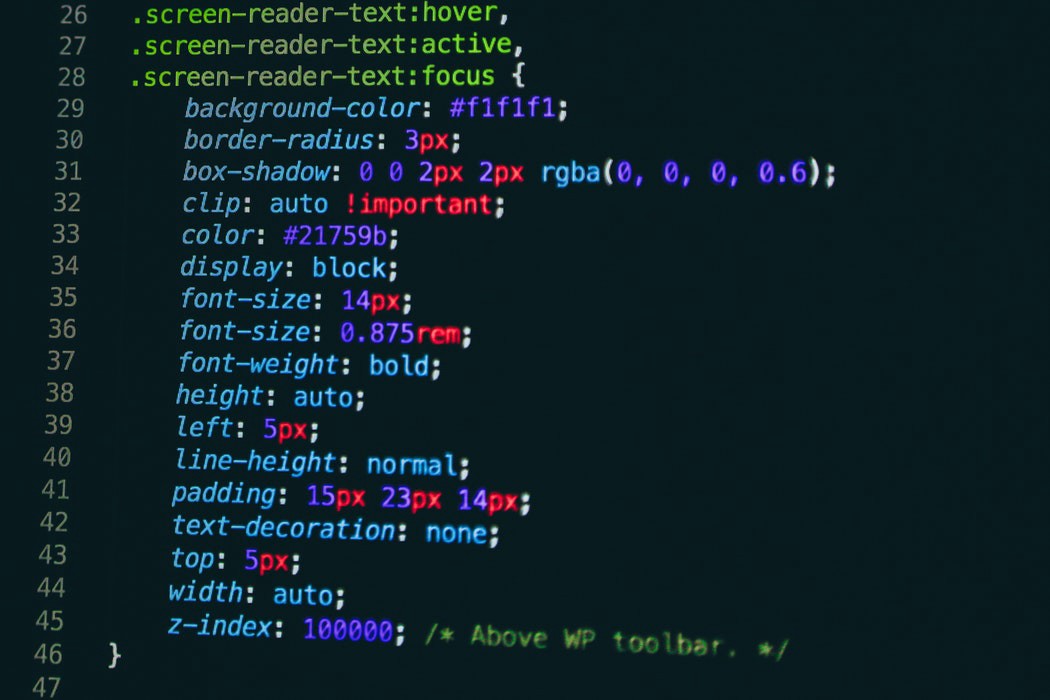
For ex: This is simple code to design the tags used in HTML
